That is why integrated care was widely discussed at the conference. HIV outcomes improve when services are not isolated, but embedded into existing points of contact with a person: primary healthcare, screenings, reproductive health, TB, hepatitis, social and legal support.
Another major trend is digital tools. At AIDS 2026, there were discussions about AI-supported self-testing in China, drone delivery of ART to hard-to-reach communities in Nigeria, responsible use of AI and new ways to bring services closer to people.
For us, this is very close.
In Ukraine, we see how digital solutions can support not an abstract “system”, but a specific person: help them find a service, confirm that support has been received, reduce losses between testing and treatment, better manage social services, and see gaps in real time.
This is exactly how ITC DATACHECK UKRAINE works — a digital system for collecting, processing, managing, verifying and validating data on the provision of social services. For civil society organizations, it is a tool that helps see which services were provided, to whom, when and with what result. For programmes and donors, it means transparency, data quality and the ability to respond to changes faster. For people, it increases the likelihood that the service will truly reach those who need it.
And in Germany, this logic has taken another practical form — DataCheck Connect. It is a digital navigation platform for Ukrainians in Germany that helps people find medical, social, legal, psychological and HIV services, as well as request free assisted telephone interpretation during a doctor’s appointment. The system already includes more than 1,000 service providers, 36+ service categories, a free hotline and a chatbot with legal answers about HIV and rights in Germany. Since its launch in spring 2026, almost 4,000 people have used DataCheck Connect, and more than 130 people have requested interpreter support.
This is the practical meaning of digital transformation: not just creating platforms, but helping people receive a service, confirm its quality and find support where they are.
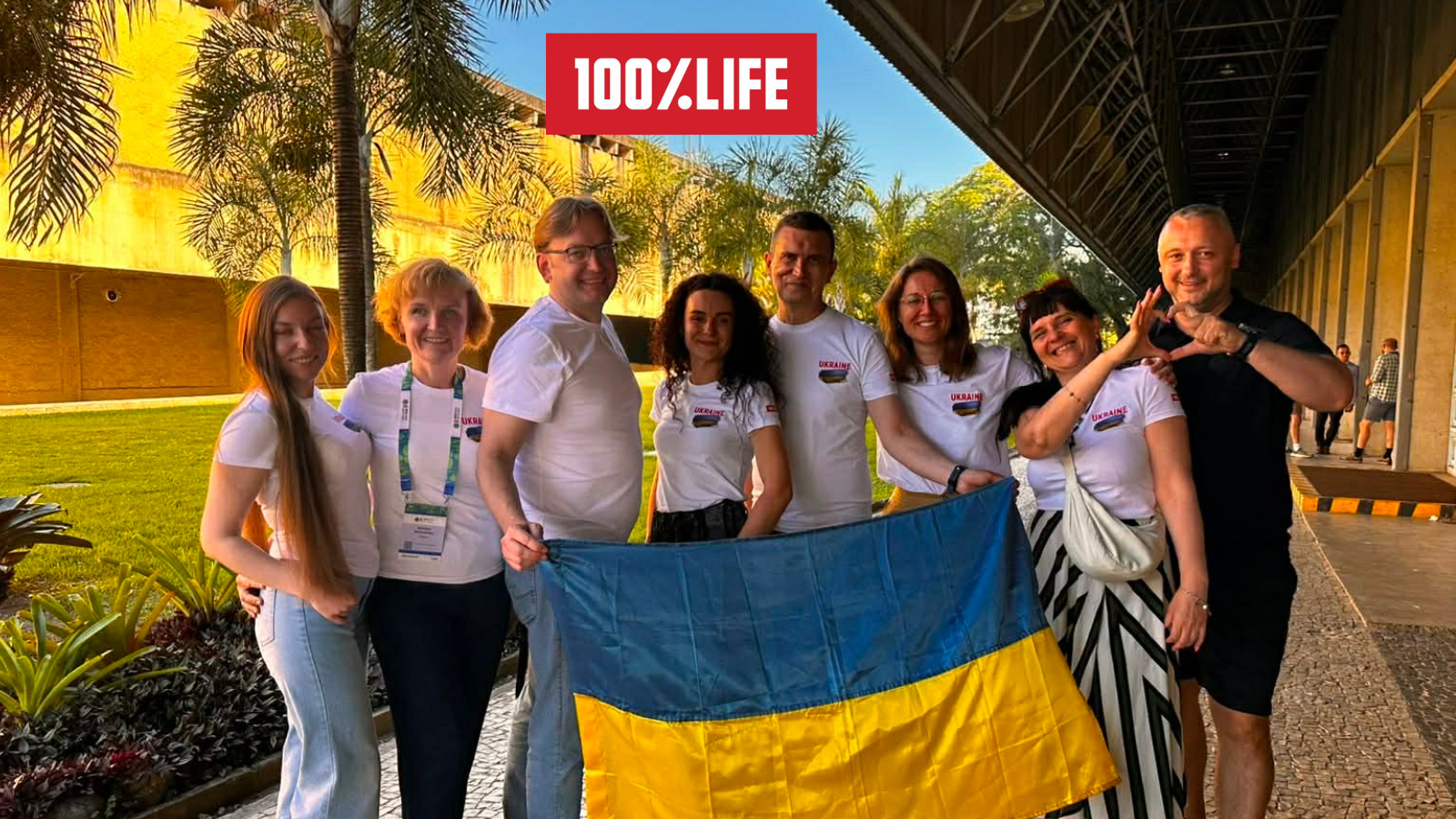
At AIDS 2026, we spoke about Ukrainian solutions — while also looking for new approaches that can be adapted further.
Because the future of the HIV response is not one large centralized model. It is adaptive, integrated, digital and community-led systems that can work even when familiar pathways collapse.
More about Ukrainian models — in our From Experience to Action collection.
The document is produced by CO 100% Life with the support of the Askold and Dir Fund as a part of the Strong Civil Society of Ukraine — a Driver towards Reforms and Democracy project, implemented by ISAR Ednannia, funded by Norway and Sweden. The contents of this publication are the sole responsibility of CO 100% Life and can in no way be taken to reflect the views the Government of Norway, the Government of Sweden and ISAR Ednannia.






 info@network.org.ua
  +38 (044) 339-93-50
  87A, Mezhyhirska St., Kyiv