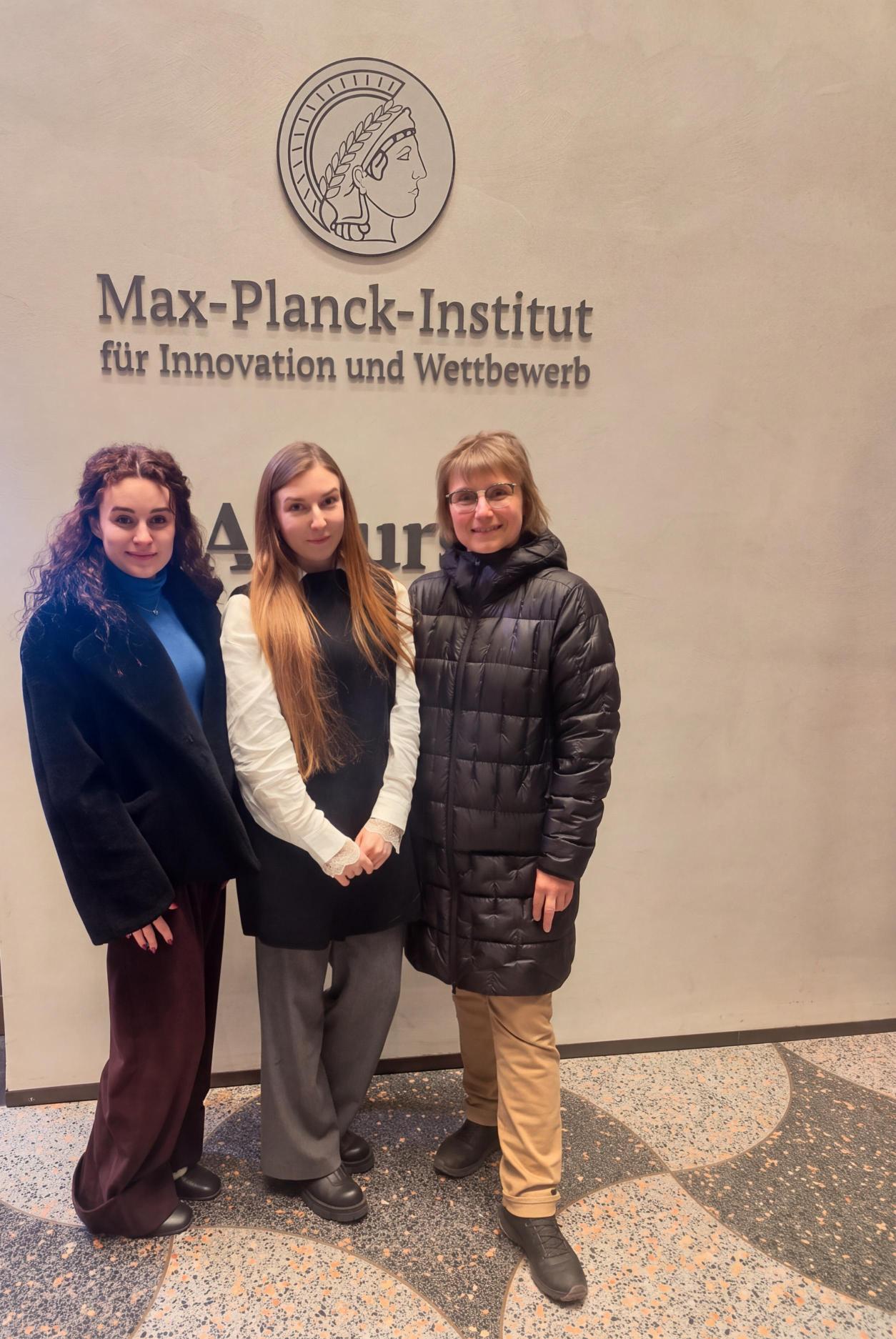
The visit focuses on developing Ukraine’s domestic pharmaceutical manufacturing in partnership with the EU, as well as the impact of reforms to Ukrainian patent and pharmaceutical legislation on access to medicines as part of the country’s EU integration process. Discussions address key challenges, potential solutions and future prospects.
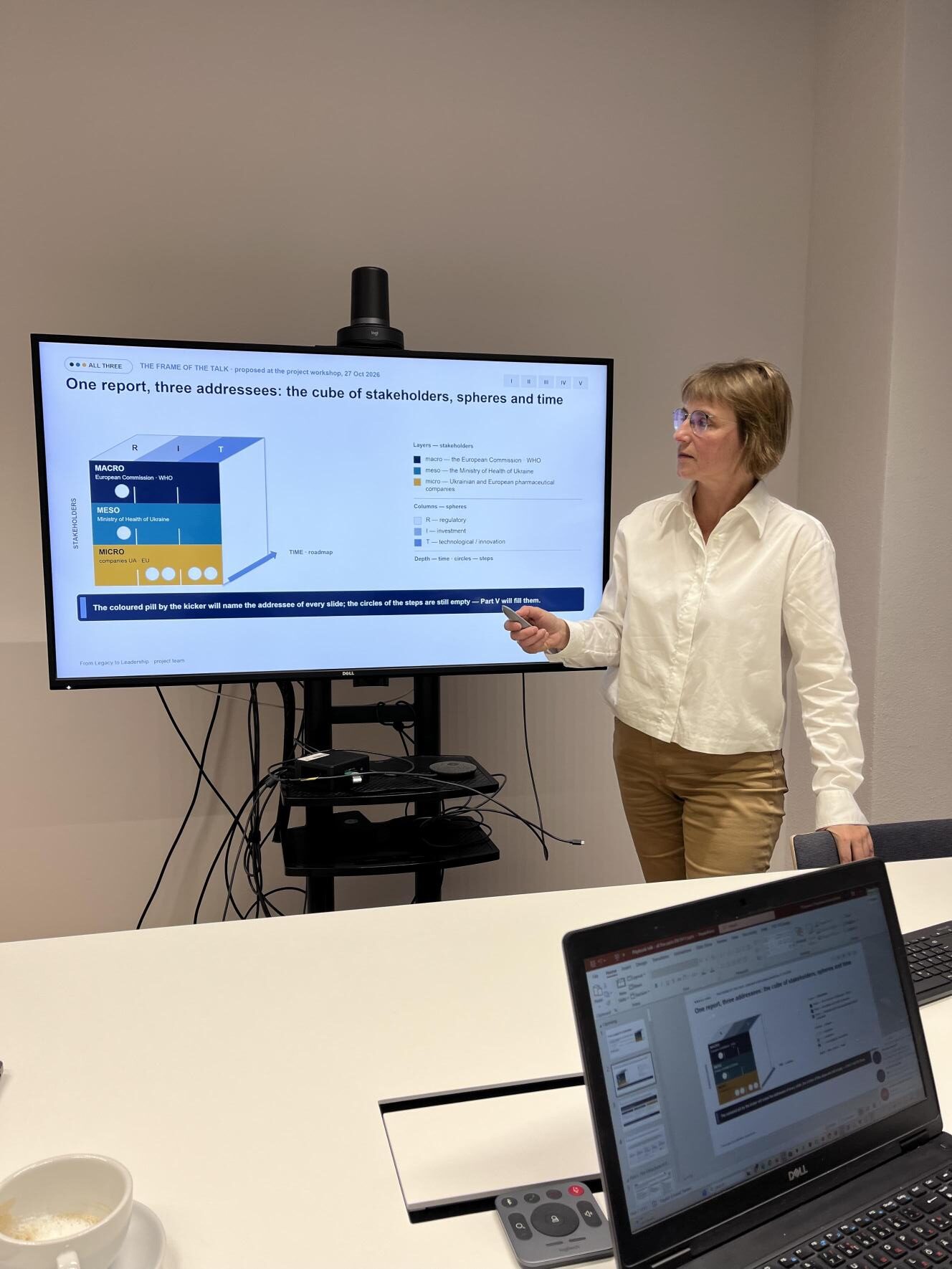
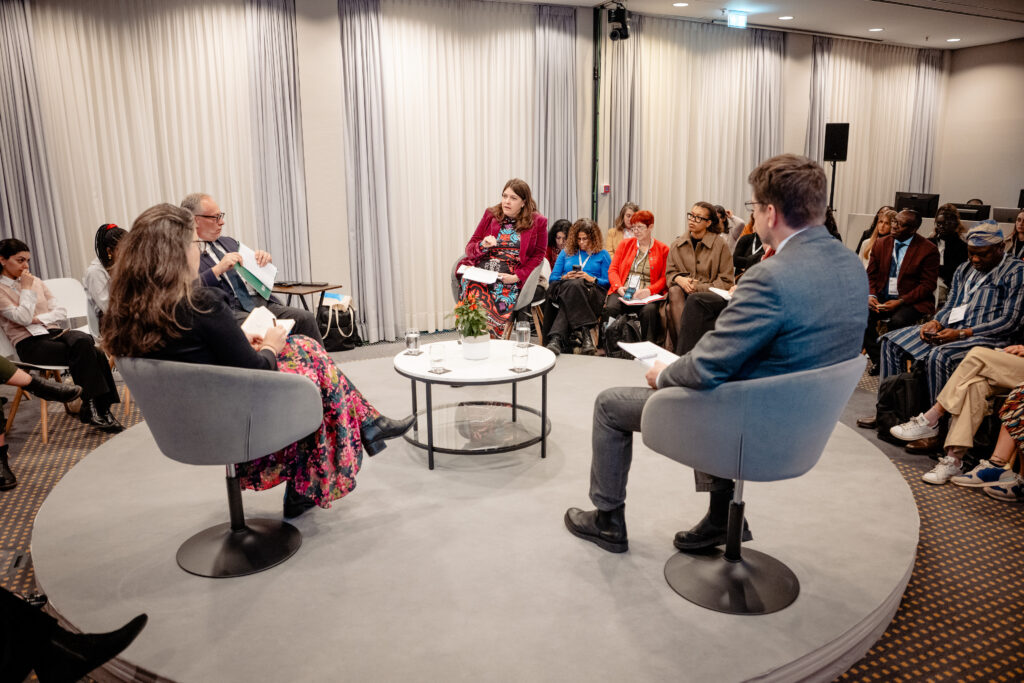
As part of the visit, a workshop was held on 4 November, during which Liudmyla Petrenko, a senior researcher at the Institute, presented work undertaken within a project aimed at developing a practical guide to support Ukrainian pharmaceutical manufacturing and its integration into the EU market. A key component of the forthcoming guide is its legal dimension, specifically the legal conditions that directly affect both access to medicines in Ukraine more broadly and the development of domestic pharmaceutical manufacturing.
“Ukraine needs to ensure the phased harmonisation of its national patent and pharmaceutical legislation with EU law, as well as the gradual alignment of its patent legislation with the provisions of the European Patent Convention, allowing for appropriate transitional periods and ensuring that certain provisions enter into force only upon Ukraine’s accession to the EU. This approach will safeguard national interests and provide sufficient time for the healthcare system, the national patent system and the pharmaceutical industry to prepare for the changes ahead. By contrast, the rushed implementation of these provisions and, even more so, accession to the European Patent Convention will have a significant negative impact on access to medicines and the further development of domestic pharmaceutical manufacturing,” says Veronika Kochubei, Intellectual Property Counsel at 100% LIFE.
Cooperation with the Max Planck Institute for Innovation and Competition — one of Europe’s leading research centres in economics, competition, intellectual property and innovation — provides valuable support for our advocacy of solutions aimed at improving access to medicines at both national and EU levels.
We are sincerely grateful for this opportunity to collaborate and will continue to share key updates from the working visit.


 info@network.org.ua
 +38 (044) 339-93-50
 87A, Mezhyhirska St., Kyiv